
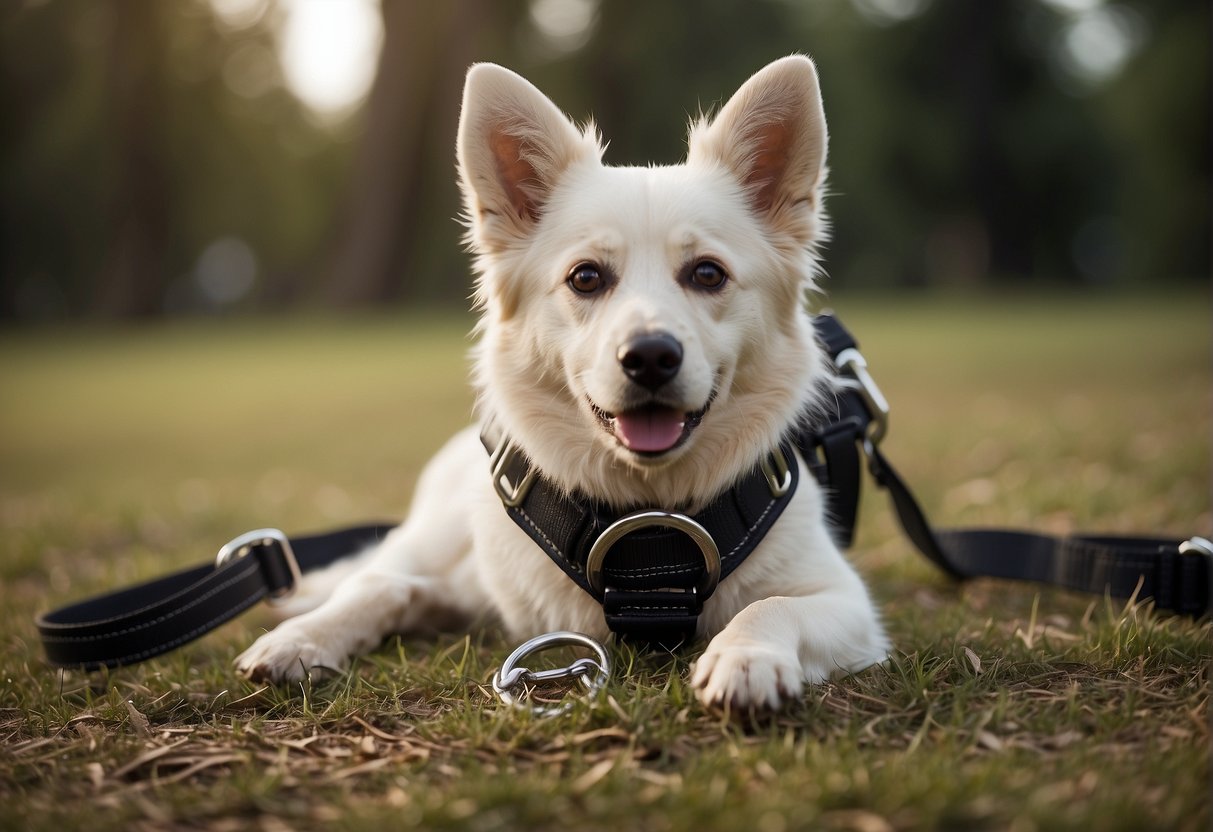
A dog harness is a piece of equipment designed to fit around a dog’s body. It is usually secured with straps that cross over the back and around the chest. Unlike traditional collars, harnesses distribute pressure more evenly across the body. This can reduce strain on the neck and provide increased control for the handler.
They are especially useful for dogs that pull on the leash, as the design minimizes the risk of injury associated with pulling and gives the owner better leverage.
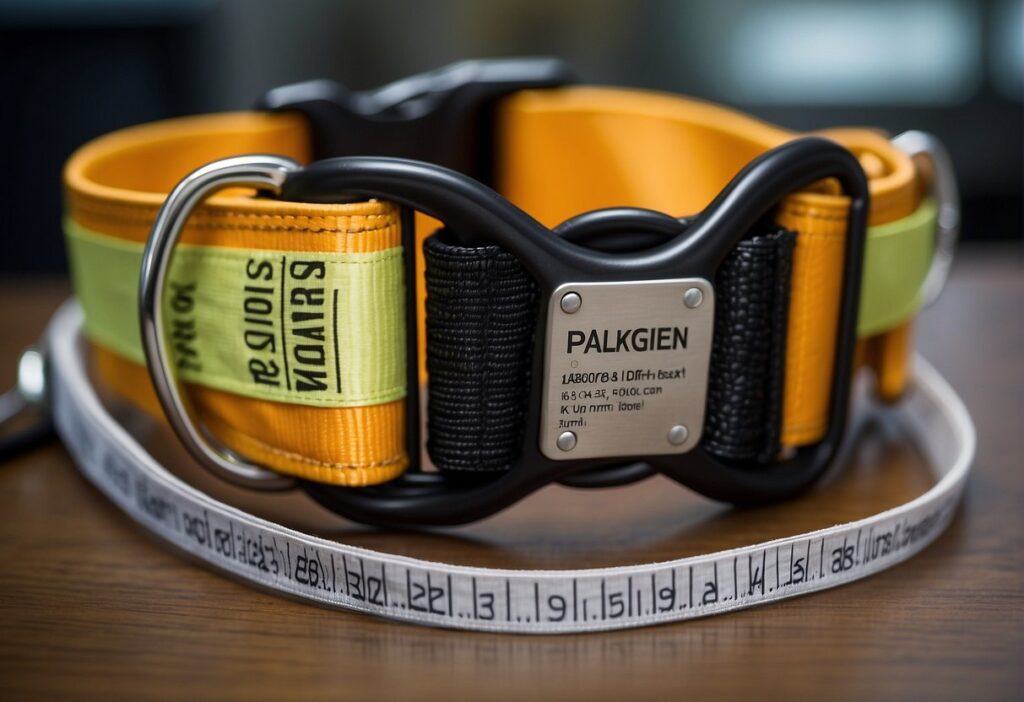
The uses for dog harnesses vary, from everyday walking to specialized activities such as dog sports or service dog work. Certain designs may incorporate features tailored for specific purposes, like reflective strips for nighttime safety or mounts for attaching cameras.
When properly fitted, a good harness can be comfortable for a dog to wear for extended periods and can significantly improve the walking experience.
Understanding Dog Harnesses
Choosing the right dog harness is crucial for your pet’s comfort and safety. The variety of harnesses available caters to dogs of different sizes and needs, whether you have a tiny terrier or a large Labrador.
Harness Types and Styles
Harnesses come in several styles, each designed for specific purposes.
No-pull harnesses often have a front-clip that discourages pulling by steering your dog to the side, making them ideal for training and strong pullers.
On the other hand, back-clip harnesses offer easy attachment and are suitable for calm walkers.
For adventure-loving dogs, harnesses from Ruffwear Front Range provide a balance of functionality and comfort.
Padded harnesses offer additional comfort, especially beneficial for extended wear. Some are also designed with reflective materials for visibility at night.
| Harness Type | Best For | Features |
|---|---|---|
| No-Pull | Training, Strong Pullers | Front-Clip, Prevents Pulling |
| Back-Clip | Calm Walkers | Easy to Attach |
| Padded | Comfort | Additional Padding |
| Reflective | Night Safety | Visibility in Low Light |
| Ruffwear | Active Dogs | Durable, Functional Design |
Safety and Durability Features
Your dog’s harness should be as durable as it is safe. Look for robust materials that can last through weather and wear.
Safety features may include reflective stitching or panels that enhance visibility in darker conditions. For escape artists or dogs with a knack for slipping out, adjustable straps are vital to ensure a snug and secure fit.
Harnesses that offer both durable buckles and sturdy fabrics maintain functionality over time. A well-designed harness should also distribute pressure evenly across your dog’s chest and back to prevent choking or discomfort.
Sizing and Fit Considerations
A properly fitted harness is paramount. Sizes vary, with options for small dogs, medium dogs, and large dogs.
Most harnesses are adjustable but always measure your dog’s chest and neck to match the harness’s size chart. An incorrect fit can lead to chafing, escape, or restricted movement.
Look for harnesses with adjustable straps to fine-tune the fit. Ensure there’s enough room to slip two fingers under any strap to avoid it being too tight. Meanwhile, if it’s too loose, your dog might wiggle free.
A good fit ensures comfort and security while accommodating your dog’s full range of motion.
Harness Benefits Over Traditional Collars
When choosing between a dog harness and a traditional collar, consider the specific benefits a harness offers in terms of comfort and control during walks.
Reduce Neck Strain and Pressure
A dog harness distributes pressure more evenly across your dog’s body than a collar. This is especially important for dogs that pull on the leash, as collars can concentrate pressure on the neck, which can lead to discomfort or injury.
Harnesses, particularly those with a vest design, can provide a comfortable experience for your dog, reducing the risk of neck strain.
Harnesses like the no-pull models are designed with a front D-ring to discourage pulling by redirecting your dog back towards you.
A snug, breathable harness ensures comfort and helps prevent issues that may arise from the concentrated neck pressure of a collar, such as coughing or gagging.
Enhanced Control for Training
Harnesses offer you greater control over your dog’s movements, which is particularly helpful during training.
By using a harness that fits properly around your dog’s chest and back, you’re able to guide your dog in the direction you wish without the same resistance you might get with a collar.
The control a harness provides helps teach dogs not to pull and to maneuver them away from potential hazards.
For dogs that are still learning proper leash behavior, a harness with a handle can offer extra control in busy or distracting environments.
Improved Safety on Walks
Safety is paramount when you’re out and about with your dog. A harness with a secure vest design can prevent your furry friend from slipping out, which is sometimes a risk with traditional collars.
Additionally, harnesses can be equipped with reflective materials for better visibility during night walks.
When traveling by car, a harness that is compatible with seatbelts can keep your dog safely restrained. This dual function of a harness keeps your dog safe both on walks and during rides, which makes it a handy and versatile tool for dog owners.
Selecting the Right Harness
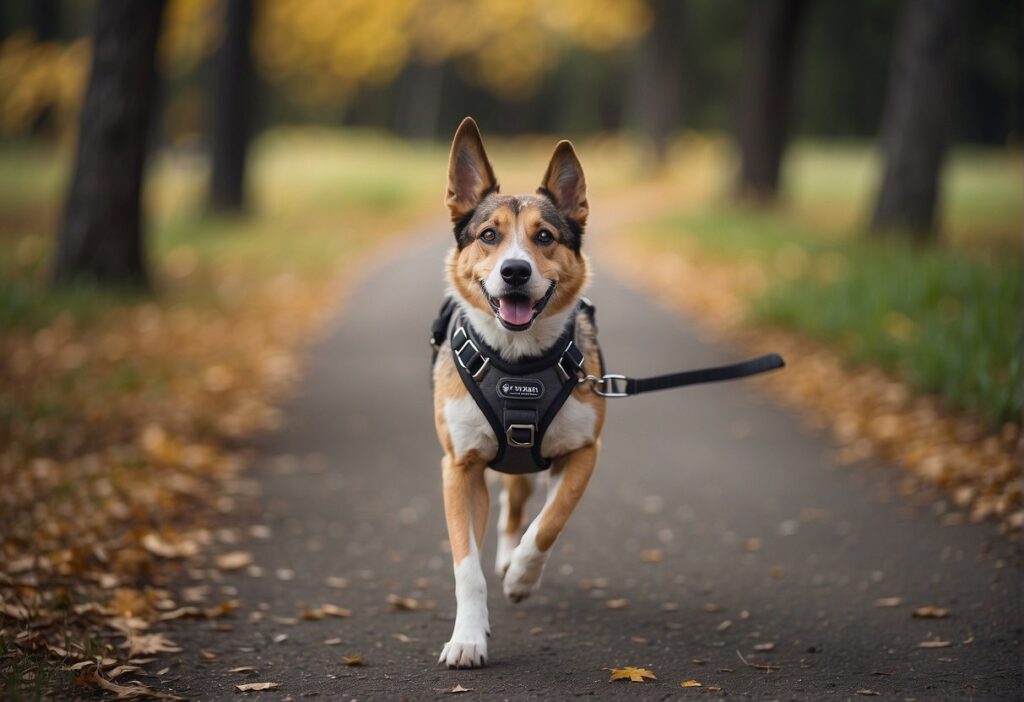
When choosing a harness for your dog, factors such as materials, durability, and special features play a critical role in ensuring comfort and safety.
Materials and Construction
Selecting a harness with durable nylon webbing can ensure longevity and cope with everyday wear.
Look for padded sections, especially if your dog is active or has a thin coat, to avoid irritation and increase comfort.
A quick-release buckle can make the process of fitting and removing the harness much easier, which is particularly handy for wriggly canines.
Breathable mesh is ideal for dogs prone to overheating or for use in warmer climates, ensuring your pet stays cool.
The construction of the harness should also include a reflective strip for visibility during low-light conditions, providing an extra layer of safety on evening walks.
Special Features and Extras
For added utility, harnesses like the Voyager or Puppia Soft Dog Harness often include a handle on the back, allowing for better control in crowded spaces or emergencies.
| Feature | Benefit |
|---|---|
| ID Pocket | Secure place for identification tags |
| Velcro | Customizable for patches or names |
| Tactical | Suitable for working dogs or training |
| Pet Safe | Ensures the design prioritizes safety |
| Heavy-Duty | Best overall for strong, large breeds |
A harness with an ID pocket can be a simple way to carry essential information without relying on a separate tag.
If your dog pulls, consider a Blue-9 Balance Harness which is designed to reduce pulling and improve leash manners without restricting movement.
Frequently Asked Questions
Understanding the functional differences between dog restraints can aid in selecting the best option for your pet.
How does a dog harness differ from a leash?
A harness is worn around a dog’s body and provides support across the chest and shoulders. Unlike a leash, which attaches only to a collar around the neck, a harness distributes force more evenly and can offer better control without straining the neck.
What functions does a dog harness serve?
Harnesses can be used for various purposes. They are designed to manage pulling and can provide better management over your dog’s movements without causing discomfort.
Which harness is suitable for large-sized dogs?
For larger dogs, a harness that evenly disperses pressure and doesn’t restrict movement is crucial. Products like the Smart Harness consider a dog’s size and strength for proper support and control.
Are harnesses a better option than collars for puppies?
Harnesses are often recommended for puppies as they are less likely to cause injury to the developing neck and trachea. A harness can offer a safer way to leash trains while minimizing risk.
What are the potential downsides of using a dog harness?
A downside may include a poorly fitted harness that can cause rubbing or inhibit movement. Make sure to choose the right type and fit it correctly to avoid these issues.
How can you determine if a harness is necessary for your dog?
Consider a harness if your dog has respiratory issues. Also, think about getting one if your dog tends to pull or if you’re training for specific activities. Assessing your dog’s behavior and needs will guide your decision.


