

Last updated on March 3rd, 2024 at 01:32 pm
Have you ever wondered why your furry friend seems to have different food preferences? It can be quite perplexing, but understanding the factors that influence a dog’s liking for certain foods is crucial for their overall well-being. As dog owners, it’s essential to address puppies’ eating preferences to ensure they are happy and healthy. This includes being mindful of what bread they consume.
Dogs can be just as picky as humans. Just like how some people prefer certain textures or flavors, dogs have their own unique tastes too. Factors such as age, allergies, and previous experiences with specific foods can influence preferences when it comes to eating bread or something else. These factors can shape their preferences a bit.
For example, your pup may have developed a preference for certain protein sources or textures based on what they were fed when they were younger. Some dogs enjoy the challenge of solving puzzle toys or having their meals served in interactive dishes, adding an element of fun to their dining experience.
Understanding your dog’s food preferences can help you tailor their diet to meet their specific needs. Whether it’s finding the right protein source or experimenting with different textures, addressing their likes and dislikes will contribute to their overall happiness and well-being.
Key Takeaways
- Dogs, like humans, have unique food preferences influenced by factors like age, allergies, and past experiences. Understanding these preferences is vital for their happiness and health.
- Canine taste buds are fewer than humans, but they’re more sensitive to flavors like meat and fat. Their powerful sense of smell also plays a significant role in food choices, often determining the appeal of a meal.
- Kibble’s crunchy texture is enjoyable for many dogs, but the quality and ingredients matter. High-quality kibble with real meat and natural ingredients is more appealing and nutritious. For a deeper dive into the quality of different dog food brands, you might want to read comparisons like Kirkland vs. Blue Buffalo or Victor vs. Purina Pro Plan.
- Introducing new foods to dogs should be gradual to avoid digestive issues. Not all human foods are safe for dogs, so always consult a vet before making dietary changes.
Canine Taste Buds: How Dogs Experience Flavor
Dogs enjoy eating their food, even though they have fewer taste buds compared to humans. In fact, their taste buds are more sensitive to certain flavors like meat and fat, making them quite discerning.
Unlike humans who have around 9,000 taste buds on average, dogs only have about 1,700. However, this doesn’t necessarily mean that dogs have a limited food taste. While they may not be able to detect all the subtle nuances of flavor as we can, their taste buds are highly attuned to specific tastes that are important for their survival.
One of the primary reasons why dogs have evolved with a preference for certain flavors is their natural instinct as carnivores. Meat is a key component of a dog’s diet and provides essential nutrients for their overall health. Their taste receptors for meaty flavors are highly developed, allowing them to savor every bite of protein-rich food.
In addition to meaty flavors, dogs also have an affinity for fat. Fat is an important energy source for canines and contributes to the taste of dry dog food, while also helping maintain healthy skin and coats. Their taste buds are particularly receptive to the rich and savory notes of fat in their food.
While dogs do have preferences’s important to note that they rely heavily on their sense of smell to determine the palatability of food. Dogs possess an incredible sense of smell that far surpasses our own capabilities. They use this powerful tool to evaluate the aroma of food before even taking a bite.
The scent of dog food plays a significant role in whether or not a dog finds it appealing. Even if a particular brand of dry dog food boasts delicious taste and flavors according to our human standards, if it lacks an enticing smell from a canine perspective, chances are your furry friend won’t be too thrilled about mealtime.
To put it into perspective, imagine how you would feel if you were served a plate of visually appealing food that lacked any aroma. It’s unlikely that you would find it appetizing, and the same goes for dogs. Their taste and smell receptors work hand in hand to create a complete sensory experience.
Do Dogs Like Dog Food? Exploring Kibble’s Appeal
Crunchy Texture and Convenience
For many dogs, the appeal of kibble lies in its crunchy texture and convenient form. The taste of the dog food is enhanced by the satisfying crunch of the hard, dry pellets. It can be enjoyable for dogs to chew on. This is especially true for dogs with strong jaws who enjoy the challenge of breaking down their food. The taste of dry dog food can bring them a sense of satisfaction akin to a human crunching on potato chips. The sound of their teeth sinking into the kibble satisfies their desire for a crunchy texture.
Kibble offers convenience both for dog owners and their furry companions. Unlike wet or homemade dog food, dry dog food doesn’t require refrigeration and has a longer shelf life. It can be easily measured out into bowls and left out throughout the day without spoiling. This makes it an ideal option for busy pet owners who may not have the time to prepare fresh meals multiple times a day.
Quality and Ingredients Matter
While some dogs readily devour any type of kibble placed in front of them, others may be more selective based on the quality and ingredients used in their dog food. Just like humans have different taste preferences, dogs also have individual palates that influence their liking for certain flavors or textures.
The quality of dog food can vary greatly depending on the brand and price point. Higher-quality kibbles often contain better ingredients such as real meat, whole grains, fruits, and vegetables. These natural ingredients not only enhance the taste but also provide essential nutrients that contribute to overall health and well-being.
On the other hand, lower-quality kibbles may contain fillers, artificial additives, or by-products that might not be as appealing to dogs. These ingredients can affect the taste and smell of the food, potentially leading to decreased interest from your furry friend.
Understanding Individual Preferences
To ensure your dog enjoys their mealtime experience, it’s important to understand their individual preferences. Some dogs may have specific dietary needs or sensitivities that require a specialized diet, while others may simply have a preference for certain flavors or textures.
If your dog is a picky eater or seems uninterested in their current kibble, it might be worth exploring different options to find the right fit. Consider the following tips:
- Experiment with different brands and flavors of kibble to see what your dog prefers.
- Mix wet food or fresh ingredients into their dry dog food to enhance the taste and aroma.
- Consult with your veterinarian to ensure your dog’s nutritional needs are being met.
Remember, not all dogs are the same, and what works for one may not work for another. By taking the time to understand your furry friend’s preferences and providing them with high-quality, appealing options, you can ensure they enjoy their meals and maintain a healthy diet.

Understanding Dogs’ Favorite Food Choices
Just like humans, dogs have individual preferences when it comes to food. Some dogs may prefer kibble, while others may prefer wet food. Certain dogs may have a liking for specific flavors or ingredients, such as chicken or beef.
As pet owners, it’s essential to understand our furry friends’ food preferences and select options that match their tastes. Not only does this contribute to their overall enjoyment of mealtime, but it can also have an impact on their health. A dog that enjoys its food is more likely to eat the recommended amount, maintain a healthy weight, and get all the necessary nutrients.
| Popular Food Choices for Canines | Why Dogs May Like It |
|---|---|
| Chicken | Chicken is a common ingredient in dog food and has a strong flavor that dogs may enjoy. It’s also a source of protein, making it a nutritious option for dogs. |
| Beef | Similar to chicken, beef is a common ingredient in dog food and has a robust taste that dogs may like. It’s also high in protein and other essential nutrients. |
| Pork | Pork is a flavorful option that some dogs may enjoy. It’s a good source of protein and essential amino acids. |
| Fish | Some dogs may like the taste of fish, which can be a good option for dogs with allergies to other protein sources. Fish is also a source of omega-3 fatty acids, which are beneficial for a dog’s skin and coat. |
It’s important to note that not all dogs will like the same foods. Some dogs may have unique preferences or dietary restrictions due to health issues. As always, consult with your veterinarian about the best food choices for your furry friend.

Enhancing Palatability: Tips to Make Dog Food Tastier
Adding warm water or low-sodium broth can enhance the aroma and flavor of dry dog food. For more ways to make your dog’s food more appetizing, consider reading about adding sauce to dog food or trying out vet-approved homemade recipes for kidney disease.
It’s no secret that dogs have an exceptional sense of smell. In fact, their sense of smell is over 1,000 times more powerful than ours! This heightened sense of smell plays a significant role in their food preferences.
When it comes to their liking or disliking of dog food, the smell can be a determining factor. Dogs can detect even the slightest scent in their food and may refuse to eat if they don’t like the smell. This is why it’s essential to choose high-quality dog food that smells appealing to your furry friend, as they will be more likely to enjoy it.
Additionally, scent can enhance the taste sensation for dogs. While their taste buds are not as complex as ours, the combination of taste and smell can create a more enjoyable eating experience for our canine companions.

“When it comes to your dog’s food preferences, always follow their nose!”
Can Dogs Actually Enjoy the Taste of Dog Food?
While dogs may not have the same complex tastes as humans, they can definitely enjoy the taste of their food. The taste preferences of dogs when it comes to kibble and dog food can vary based on several factors, including taste, smell, and individual preferences.
Dogs have a sense of taste, and their taste buds play a significant role in determining their food preferences. Canine taste buds, located primarily at the front and sides of their tongues, are most sensitive to sweet and salty flavors. Dogs also have a much weaker sense of taste than humans, with only about 1,700 taste buds compared to humans’ 9,000.
Despite their weaker sense of taste, studies have shown that dogs still have preferences for certain flavors. A study published in the journal Applied Animal Behaviour Science found that dogs preferred meat flavors over non-meat flavors and that individual dogs had unique preferences for specific meat flavors.
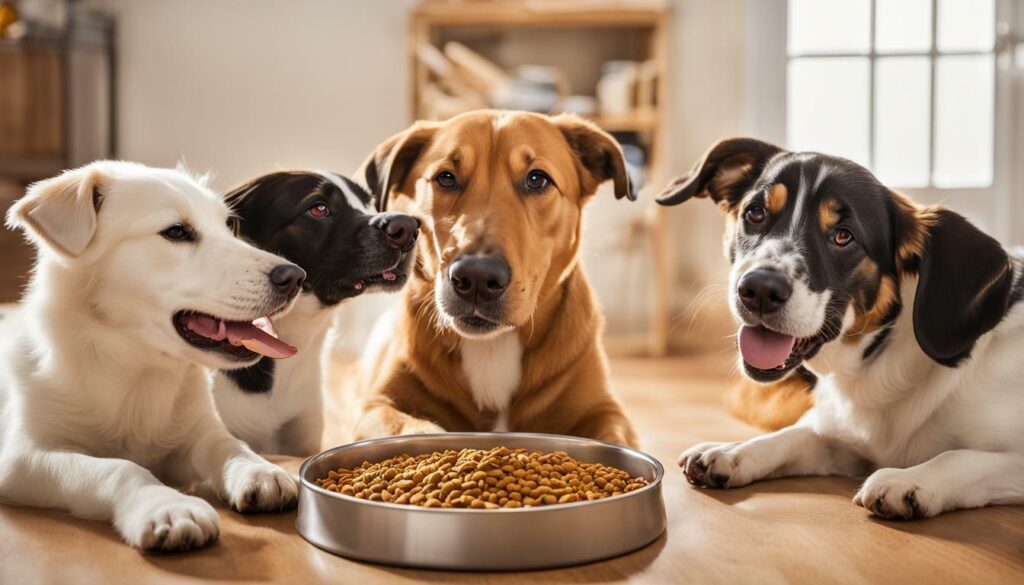
When it comes to dog food, different brands and flavors can have varying levels of appeal to individual dogs. Some dogs may prefer chicken-flavored kibble, while others may prefer beef or lamb flavors. Additionally, factors such as the texture, smell, and shape of the kibble can also influence a dog’s preferences.
So, while dogs may not have the same taste preferences as humans, they can still enjoy the taste of their food. Understanding and catering to their food preferences can contribute to their overall happiness, health, and enjoyment of mealtime.
Finding the Right Food for Your Dog’s Preferences
Just like humans, dogs have individual preferences when it comes to food. While some may prefer kibble, others may enjoy wet food or a mixture of both. It’s essential to find the right food that matches their preferences for their overall health and happiness.
When selecting dog food, consider factors like their age, breed, and any health conditions they may have. Speak with your veterinarian for recommendations on the best food choices for your furry friend.
When introducing new food options, it’s crucial to do it gradually. Sudden changes in diet can lead to digestive issues and discomfort. Mix small amounts of the new food into their current diet over several days to avoid any adverse reactions.
If you notice your dog displaying disinterest in their food, it may be time to switch things up. Try changing the flavor, texture, or brand of your food. Dogs can get bored with the same food every day, just like humans.
Remember, catering to your dog’s food preferences can have a significant impact on their overall happiness, health, and enjoyment of mealtime. Take the time to find the right food that matches their preferences, and you’re sure to have a happy and healthy furry friend.
Common Mistakes in Meeting Dogs’ Food Preferences
Meeting a dog’s food preferences is crucial to their health and happiness. However, there are common mistakes pet owners make that can hinder their efforts to meet their furry friend’s food preferences.
One of the most common mistakes is assuming that all dogs have the same preferences. Just like humans, each dog has individual tastes and preferences when it comes to food. Failing to recognize this can lead to frustration for both the pet owner and the dog.
Another mistake is not taking the time to gradually introduce new foods to your dog. Abruptly changing your dog’s food can cause digestive issues and result in your dog rejecting the new food. It’s recommended to introduce new food gradually over a week or two, mixing it with their current food and slowly increasing the ratio of new to old food.
Ignoring the quality of the food is also a common mistake. Not all dog food is created equal, and some options may have more fillers and additives than necessary. It’s important to read the ingredient list and choose a high-quality dog food that meets your dog’s nutritional needs.
Finally, some pet owners may give in too easily to their dog’s picky eating habits. While it’s important to cater to your dog’s preferences, it’s also important to establish boundaries and encourage your dog to learn to eat a variety of foods.
By avoiding these common mistakes and taking the time to understand your dog’s taste preferences, you can ensure that they are receiving the best nutrition and enjoying their meals.
The Impact of Food Preferences on Dog Health
Understanding your dog’s food preferences can play a significant role in their overall health and well-being. Just like humans, dogs have individual preferences when it comes to food. Ensuring that they enjoy their meals can help maintain their appetite and ensure they receive all the necessary nutrients.
Dogs have taste buds that play an essential role in determining their food preferences. However, their taste preferences can differ from humans, so it’s important to understand what flavors and textures they prefer. For example, dogs are known to have sweeter teeth than humans, so they may prefer food with a slightly sweet taste.
While some pet owners believe that their dogs will eat anything, research has shown that dogs can be picky eaters and may even experience food aversions. If a dog consistently refuses a type of food, it’s crucial to respect their preference and switch to an alternative that they will enjoy.
Providing your dog with a diet that meets their preferences can have a significant impact on their overall health. When dogs enjoy their meals, they are more likely to maintain a healthy weight and receive all the necessary nutrients for their specific age and size. Moreover, catering to their preferences can also help prevent food-related health issues such as digestive problems or food allergies.
Understanding your dog’s food preferences should include their sense of smell. As we know, dogs have a highly developed sense of smell, and it plays a crucial role in their food preferences. A dog’s sense of smell can lead them to choose one type of food over another. If your dog seems to be avoiding a type of food, it’s possible that the smell isn’t agreeable to them.
Ultimately, paying attention to your dog’s food preferences can help you choose the right food for them, promoting their overall health and happiness. Whether it’s a specific flavor, texture, or brand, finding the right food that matches their preferences is essential to ensuring they enjoy their meals and stay healthy.
Tips for Introducing New Foods to Dogs
Introducing new foods to your furry friend can be a great way to diversify their diet and cater to their taste preferences. However, introducing new foods should be done carefully to avoid upsetting their stomach or causing any other health issues.
When introducing new foods to your dog, take it slow. Start by offering a small amount of the new food mixed with their regular food. Gradually increase the amount of the new food over several days, while reducing the amount of their regular food.
It’s essential to monitor your dog’s health and behavior when introducing new foods. If your dog experiences any digestive issues or allergic reactions, discontinue the new food immediately and consult with your veterinarian.
Additionally, keep in mind that not all human foods are safe for dogs. Some foods can be toxic and even fatal to dogs, including chocolate, grapes, avocado, onions, and garlic. Consult with your veterinarian before offering your dog any new human foods.
Finally, be patient and persistent when introducing new foods to your dog. It may take several attempts before they develop a liking for the new food.
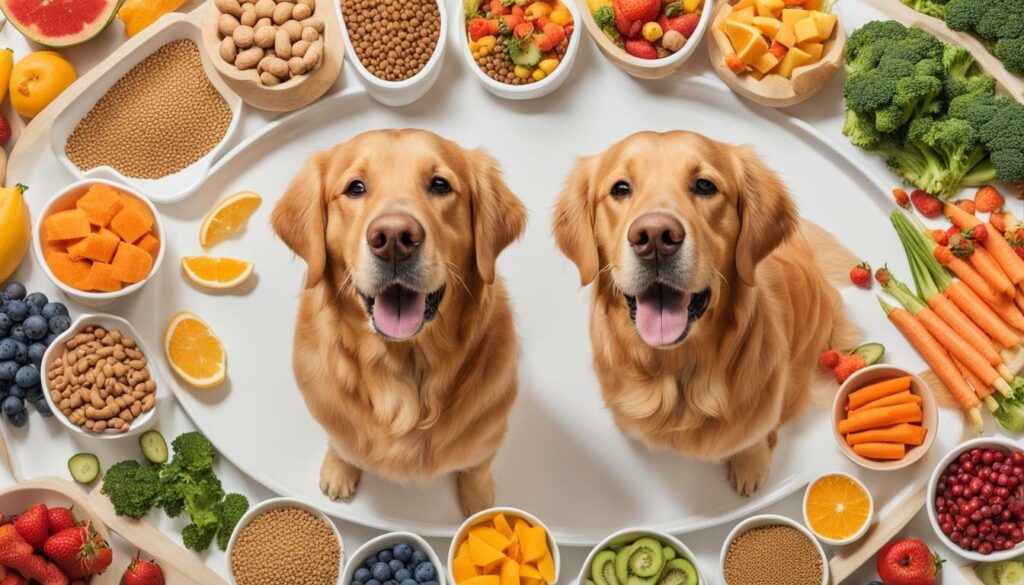
By following these tips and being mindful of your dog’s taste preferences and health, you can successfully introduce new foods to your furry friend and provide them with a diverse and enjoyable diet.
Wet vs. Dry: Unveiling Your Dog’s Preferred Style
Some dogs prefer wet food due to its higher moisture content and stronger aroma. The difference in texture and smell can make wet food more appealing to dogs, especially those with a picky palate. Wet dog food typically contains around 70-80% water, which not only adds flavor but also helps keep your furry friend hydrated throughout the day.
Dry food takes the lead. It is easier to store, doesn’t require refrigeration, and can be left out for longer periods without spoiling. Dry dog food tends to have a longer shelf life compared to its wet counterpart. This makes it a popular choice for pet owners who prefer buying in bulk or need an option that can be easily transported.
Another advantage of dry food is its impact on dental health. The act of chewing dry kibble helps remove plaque and tartar buildup from your dog’s teeth, promoting better oral hygiene. Some brands even offer specialized dental formulas designed to enhance this effect further.
Understanding your dog’s preference between wet and dry food plays a crucial role in choosing the right option for them. Each type has its own benefits and drawbacks, so it’s essential to consider factors such as your dog’s age, breed, size, activity level, and overall health when making a decision.
If you’re unsure about which type of food your dog prefers or if they seem indifferent towards both options, you can conduct a taste test at home using small portions of each type:
- Start by serving a small amount of wet food in one bowl.
- In another bowl next to it, place an equal portion of dry kibble.
- Observe your dog’s reaction and take note of their preference.
- Repeat this process over several days with different types or flavors until you find the one that gets its tail wagging.
Some dogs may have a clear preference, while others may enjoy both wet and dry food equally. In such cases, you can mix the two together to provide a variety of textures and flavors.
For dogs who primarily eat dry food but require extra hydration, you can add warm water to their kibble. This will soften it slightly and release enticing aromas, making mealtime more enjoyable for them. Just ensure that the water is warm and not hot, as extreme temperatures can be harmful to your dog’s mouth.
For a deeper understanding of dry dog food, consider reading about the disadvantages of dry dog food, exploring how many grams of protein are in dog food, or even delving into what dry dog food tastes like.
Understanding Dogs’ Relationship with Dog Food
Now that you have a deeper understanding of dogs’ relationship with dog food, you can make more informed choices. Remember, dogs may not experience flavor in the same way humans do, but they still enjoy tasty meals. By exploring kibble’s appeal and enhancing palatability with tips and food toppers, you can ensure your dog stays interested and satisfied during mealtime. Don’t forget to consider your dog’s weight management and add variety to their diet for a well-rounded nutrition plan. And if you’re torn between wet and dry food options, unveil your dog’s preferred style by trying both.
So go ahead and experiment with different flavors and textures to find what works best for your four-legged companion. Keep their taste buds in mind while providing a balanced diet that meets their nutritional needs. With these insights, you can make mealtime an enjoyable experience for both you and your beloved pet.
Frequently Asked Questions (FAQs)
While it may be tempting to share your meals with your furry friend, it’s important to remember that not all human foods are safe for dogs. Some foods like chocolate, onions, grapes, and garlic can be toxic to dogs. It is best to consult with your veterinarian before introducing any new foods into your dog’s diet.
Changing your dog’s food should be done gradually over time to avoid digestive issues. If you decide to switch their food brand or type, mix small amounts of the new food with the old one over a period of 7-10 days until they are fully transitioned.
Free feeding refers to leaving food out all day for your dog to eat whenever they want. However, this may lead to overeating and weight gain. It is generally recommended to stick to scheduled mealtimes, providing your dog with specific portions that align with its dietary needs.
Yes, you can give your dog treats as long as they are appropriate for their size and do not exceed 10% of their daily calorie intake. Treats should be given in moderation and should not replace the nutritional value of their regular meals.
If you suspect that your dog has a food allergy, look out for symptoms such as itching, redness, swelling, gastrointestinal issues (vomiting or diarrhea), or ear infections. Consult with your veterinarian who can help determine if an elimination diet or further testing is necessary to identify the allergen.


